
A calm, plain-language guide for the first hours after a crash
Immediate questions after a car accident in New Jersey — answered
A car accident doesn't just leave damage on the road. It leaves questions in your mind. Here are honest answers to the ones most people ask first.
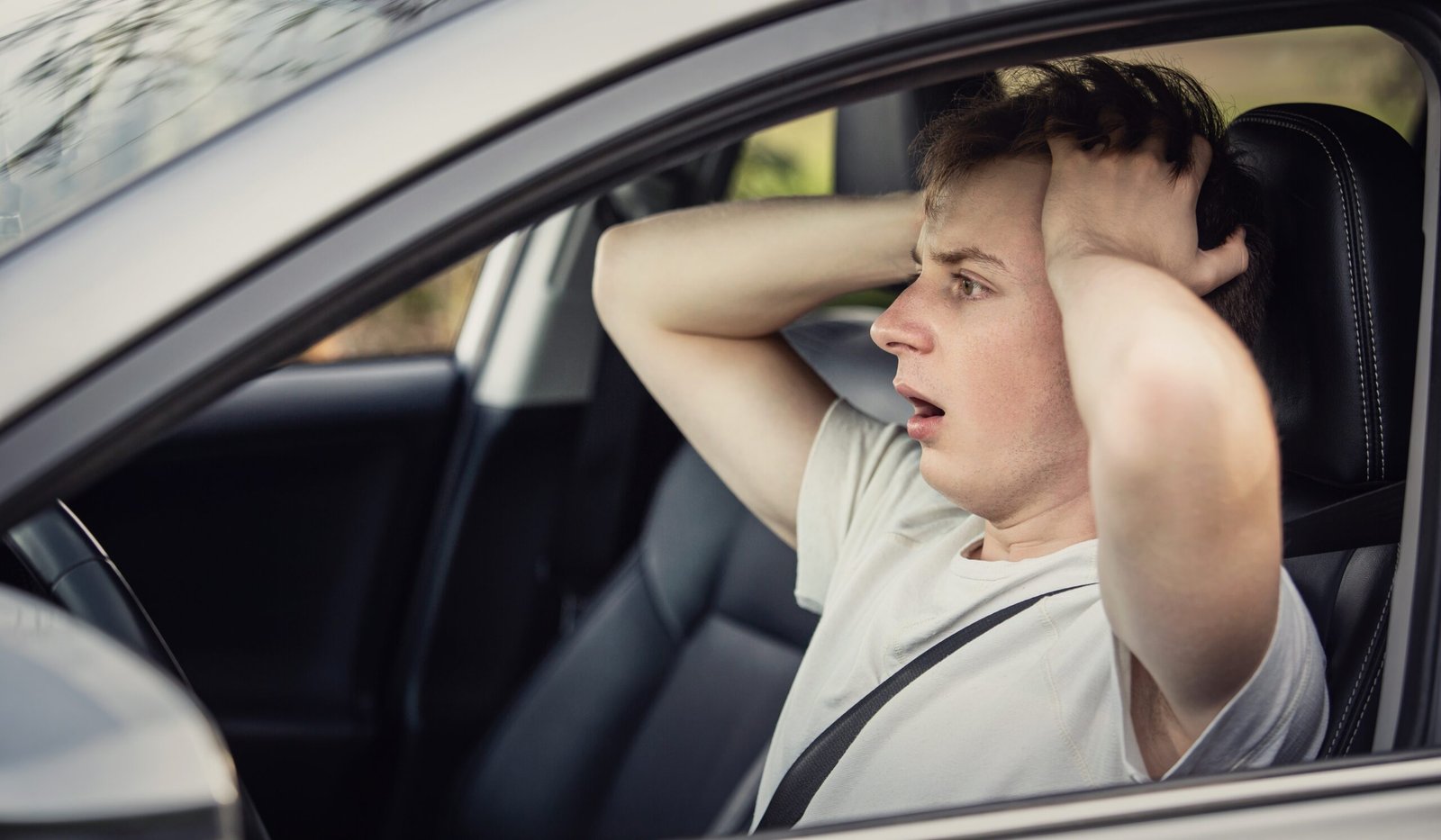
In the moments after a crash, everything feels rushed and unclear.
Your heart is still racing, people are talking, maybe your phone is ringing, and somewhere in between, you're trying to figure out what just happened—and what you're supposed to do next.
Most people don't need legal advice right away. They need clarity.If you're feeling that way right now, you're not alone. These are the questions most accident victims in New Jersey ask—and the answers can make a real difference in how things unfold next.
What should I do immediately after a car accident?
Right after an accident, it's natural to feel shaken. Even a minor crash can leave you disoriented for a few minutes. The most important thing is to focus on safety first—yours and everyone else's.
If you're able to move, try to get to a safe spot and turn on your hazard lights. Take a moment to check if you're injured. Sometimes your body doesn't register pain right away, so don't rush yourself.
Once things are stable, start thinking about documentation. Take photos, look around, notice details. You don't need to figure everything out in that moment—but small steps now can protect you later.
→ Full step-by-step guide: What to do after a car accident in New JerseyDo I need to call the police after a minor accident?
A lot of people hesitate here, especially if the accident seems small. It's easy to think, "Maybe this isn't serious enough."
But situations can change quickly. What feels minor at the scene can turn into a disagreement later—about damage, injuries, or who was at fault.
Calling the police isn't about making things bigger than they are. It's about creating a clear, neutral record of what happened. That record can protect you if questions come up days or weeks later.
Should I go to the hospital even if I feel fine?
This is one of the most misunderstood parts of an accident.
You might feel okay. You might even think you're lucky and walked away without injuries. But your body goes into shock during accidents, and adrenaline can hide pain for hours—or even days. Many people only realize later that something isn't right.
Getting checked by a doctor isn't just about precaution—it's about protecting yourself. It ensures that if something develops later, you have a clear medical record connecting it to the accident.
More importantly, it gives you reassurance. And after an accident, that reassurance matters.
What information should I exchange?
This part can feel awkward. You're standing there with a stranger, both of you processing what just happened, trying to stay calm and collected.
Focus on the basics: names, contact details, insurance information, and vehicle details.
Keep the conversation simple and respectful—but careful. You don't need to explain what happened or take responsibility in that moment. Sometimes people say things like "I didn't see you" or "maybe it was my fault" just to ease tension. It's a natural human reaction—but those words can be misunderstood later.
How do I get a copy of the police report?
After the situation settles, you may start thinking about documentation and next steps.
The police report is one of the most important pieces of that puzzle. It includes details from the scene, observations, and initial statements that can support your case if needed.
In most cases, you can request it from the local police department that responded to the accident. Many departments also offer online access now, which makes the process easier. It's not something you need to stress about immediately—but it's worth following up on once you've had time to breathe.
What if the other driver doesn't have insurance?
This is one of those situations that can make anyone feel stuck. You might wonder if that means you're out of options—but that's not usually the case.
Many drivers in New Jersey have coverage in their own policy that can still help in these situations. It's called uninsured motorist coverage, and it exists for exactly this reason.
The important thing here is not to panic. Situations like this can feel complicated, but they're not uncommon—and there are ways to handle them.
What if the accident was partly my fault?
This is a question many people don't ask out loud—but think about quietly. Maybe you replay the moment in your head. Maybe you wonder if you could have reacted differently.
In New Jersey, the law recognizes that accidents aren't always black and white. Even if you were partially at fault, you may still be able to recover compensation.
What matters is not what you assume in that moment—but what the evidence shows over time. This is why it's important not to rush into conclusions or say things at the scene that you might regret later. Let the facts speak, and let the process unfold properly.
You don't have to have all the answers right away. Talking it through costs nothing.
Call 888.658.4284Should I get a lawyer after a car accident?
You may not need an attorney for every fender-bender. However, common reasons to get a lawyer after a car accident include serious injuries, disputed fault, uninsured or underinsured drivers, or low settlement offers.
Early legal help can explain your options, handle insurance communications, and protect important deadlines—without adding pressure.
A final thought
An accident can disrupt your day, your plans, and sometimes your sense of control.
But the way you respond afterward can help you regain that control—slowly, calmly, and with clarity. You don't need to know everything right away.
You just need to take the next right step.
Still have questions? We're here, 24/7.
Free consultation. No obligation. No pressure—just honest answers.
Call 888.658.4284Only 25% — not 33⅓%, if you ever decide you need us.